444
IMPORTANCE OF REGULATING EMOTIONS

LEARN TO RIDE THE WAVE


LEARN TO RIDE THE WAVE
Like waves, emotions can rise and fall, sometimes building gradually and other times surging suddenly. They can be calm and gentle or powerful and overwhelming, reflecting the dynamic and unpredictable nature of human feelings. Just as waves are influenced by external forces like wind and tides, emotions are shaped by external circumstances and internal experiences. This comparison highlights the fluidity, depth, and transformative power of emotions, much like the ever-changing sea.
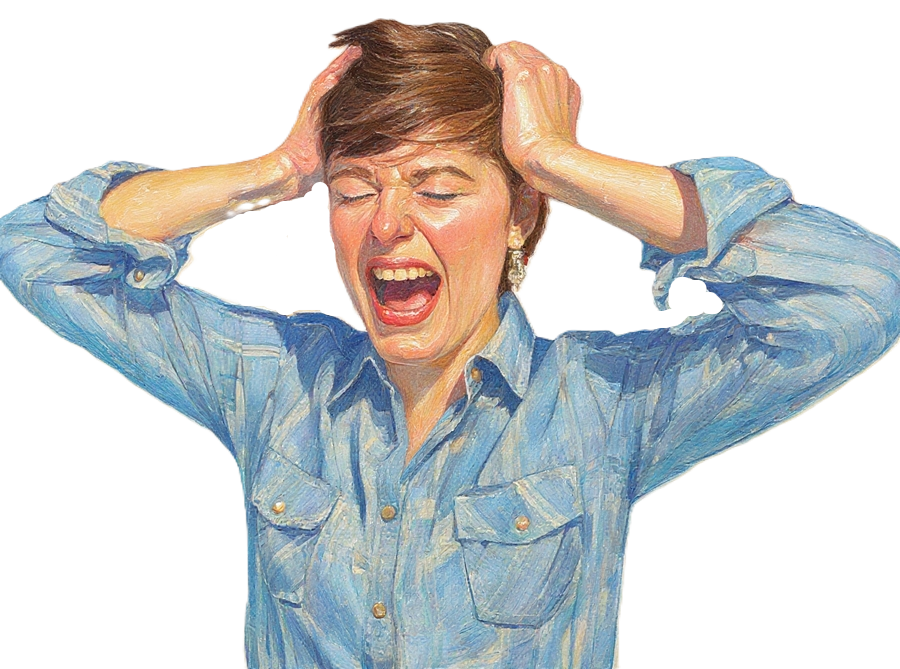
Regulating emotions is a critical skill that influences personal well-being, decision-making, relationships, and the overall quality of life. Emotional regulation refers to the ability to manage and respond to emotional experiences in a constructive and balanced way, rather than allowing emotions to overwhelm or control your actions. Here are several reasons why it is important to regulate your emotions:
1. **Improves Mental Health**
Unregulated emotions, such as chronic anger, anxiety, or sadness, can lead to mental health challenges, including depression and stress-related disorders. By managing emotions effectively, individuals can reduce the risk of emotional burnout and maintain psychological stability.
2. **Enhances Decision-Making**
Strong emotions can cloud judgment and lead to impulsive decisions. Emotional regulation allows individuals to think more clearly and make thoughtful, rational choices, even in high-pressure situations.
3. **Strengthens Relationships**
Emotional outbursts or poor emotional control can strain personal and professional relationships. Regulating emotions helps foster empathy, effective communication, and conflict resolution, which are essential for building and maintaining healthy connections with others.
4. **Increases Resilience**
Life is full of challenges, and emotional regulation equips individuals with the ability to cope with adversity. By staying calm and composed, people can navigate difficult situations more effectively and recover from setbacks more quickly.
5. **Boosts Productivity and Performance**
In professional settings, unchecked emotions can hinder focus and productivity. Emotional regulation helps individuals stay motivated, manage stress, and perform at their best, even under demanding circumstances.
6. **Promotes Physical Health**
Chronic stress and negative emotions can take a toll on physical health, contributing to issues such as high blood pressure, weakened immunity, and sleep disturbances. Managing emotions helps reduce stress and supports overall physical well-being.
7. **Encourages Personal Growth**
By recognizing and addressing emotions in a healthy way, individuals can gain deeper self-awareness and grow emotionally. This self-awareness fosters personal development and helps people build a stronger sense of identity.
In conclusion, regulating emotions is essential for maintaining balance in all aspects of life. It empowers individuals to handle challenges effectively, nurture positive relationships, and achieve personal and professional success. Developing this skill requires practice, mindfulness, and self-reflection, but the benefits are invaluable for long-term happiness and well-being.


Yes, you can. People pleasing at the cost of your own self-care will result in resentment and burn-out.
Problem solve: Can you pay your bill online or over the phone? Can you take your lunch with you and eat it on the way? How can you prevent this crisis from happening again?
Perhaps you can but is that in your long-term best interest or the best interest of those around you?
Why? Few responsibilities need to be rushed. In reality taking breaks, eating, sleeping will speed the process up versus going without because your mind and body will be rested and fueled.
Give others a chance to improve. Letting go of some responsibilities allows you more time for self-care and let's others grow.