333
WHY ARE WE SO FRIGHTENED BY EMOTIONS?

EMOTIONS DEFINED
giving you the tools you need to manage your feelings
"From an early age, I was told I was 'too sensitive.' And in many ways, it did seem that I experienced the world more intensely than those around me. My sensitivity sometimes complicated my relationships—not because I couldn't express my emotions, but because I could. Over time, I came to realize that some people were uncomfortable with the depth and intensity of my emotional expression. Rather than seeking to understand it, they often dismissed it. Whether through abandonment, ridicule, contempt, or criticism, my emotional openness was sometimes mistaken for weakness. At times, people underestimated my intelligence, competence, and capabilities because I felt deeply and expressed those feelings openly. In response, I learned to manage my emotions more skillfully. I became calmer, more measured, and, interestingly, more acceptable to others. I was often taken more seriously. Yet what many people failed to see was that my emotional sensitivity was never a flaw—it was one of my greatest gifts. My sensitivity allowed me to recognize problems before others knew they existed. It helped me notice patterns, connect seemingly unrelated pieces of information, and understand the experiences of others with remarkable depth. It became one of the foundations of my ability to help, heal, and connect. What I have come to understand is that emotional sensitivity is not the problem. The problem arises when we are disconnected from our emotions or unable to manage them effectively. Sensitivity, when paired with wisdom and skill, is not a weakness—it is a profound strength. Emotional sensitivity is not a weakness to overcome. It is a gift to understand, honor, and learn to use wisely."
MARSHA FERRICK
Helping you one skill at at time to improve your ability to to manage your emotions.
At LIFE IN PROGRESS demystifying emotions is about learning how to:
• identify emotions
• understand emotions
• not fear emotions
Demystifying emotions is about honoring emotions ours & others, and how to effectively manage them, it is not about dismissing emotions or pretending they don’t matter. In reality, emotions are an integral part of wise decision making, and balancing our brain.
We fear we cannot manage our emotions.
We truly do not understand the value of emotions.
We have never been taught about emotions or how to handle them.
We believe myths about emotions being a weakness, not a strength.
The environments we live and work in are hostile or deny the value of emotions.
We do not have the ego strengths to honor our feelings or those of others, this we move away from emotions.
Emotions often feel like they get in our way. We may become flooded and appear overly emotional, or we may shut down and seem distant or uncaring—when, in truth, we are experiencing intense feelings beneath the surface. Therefore, learning how to work with emotions skillfully and productively improves not only our mental and physical health, but also our relationships and our ability to make wise decisions.
Subsequently, emotions are not secondary, unnecessary, or a flaw to overcome. They are central to what makes us human. Yet many people spend their lives running from their emotions, burying them in work, distraction, substances, or constant busyness. Avoiding our own feelings—or the feelings of others—may feel safer in the moment, but it often leaves us isolated, disconnected, and alone.
Emotions are not something to fear. They are the gateway to intimacy, empathy, and belonging. For example, our natural capacity for empathy allows us to feel with those we care about at a deeply human, even physiological, level. But given that if we cannot tolerate our own intense feelings, it becomes nearly impossible to offer a safe and welcoming space for the people we love to share theirs.
Understanding, engaging with, and learning to “dance” with emotions is not optional—it is essential to living a well-lived life. A meaningful life is not defined by travel, adrenaline-seeking experiences, accolades, or material success. It is defined by connection. Therefore, true connection begins by turning toward ourselves—by understanding what it means to feel, to care, and to be fully human—so that we can then do so with others.
At Life in Progress we want to share our knowledge. Here, you’ll find tools and skills to help you relate to your feelings with curiosity, confidence, and compassion. Explore the topics below to learn practices that are often essential in adult life, yet rarely taught—and sometimes never named—until we need them most.
Let this be your invitation to come closer—closer to your own heart, your own humanity, and the truth your feelings are trying to share. The path is not perfection; it is presence. Begin below.
Emotions defined simply are body sensations to which we apply labels that typical are learned in childhood. Emotions are central to the human experience; they are not flaws to be overcome or secondary occurrences. At a physiological level, they are our natural capacity for empathy and connection. They serve as a "gateway" to intimacy, helping us understand ourselves and relate to others with curiosity and compassion.
People often fear their own emotions and the emotions of others for several reasons:
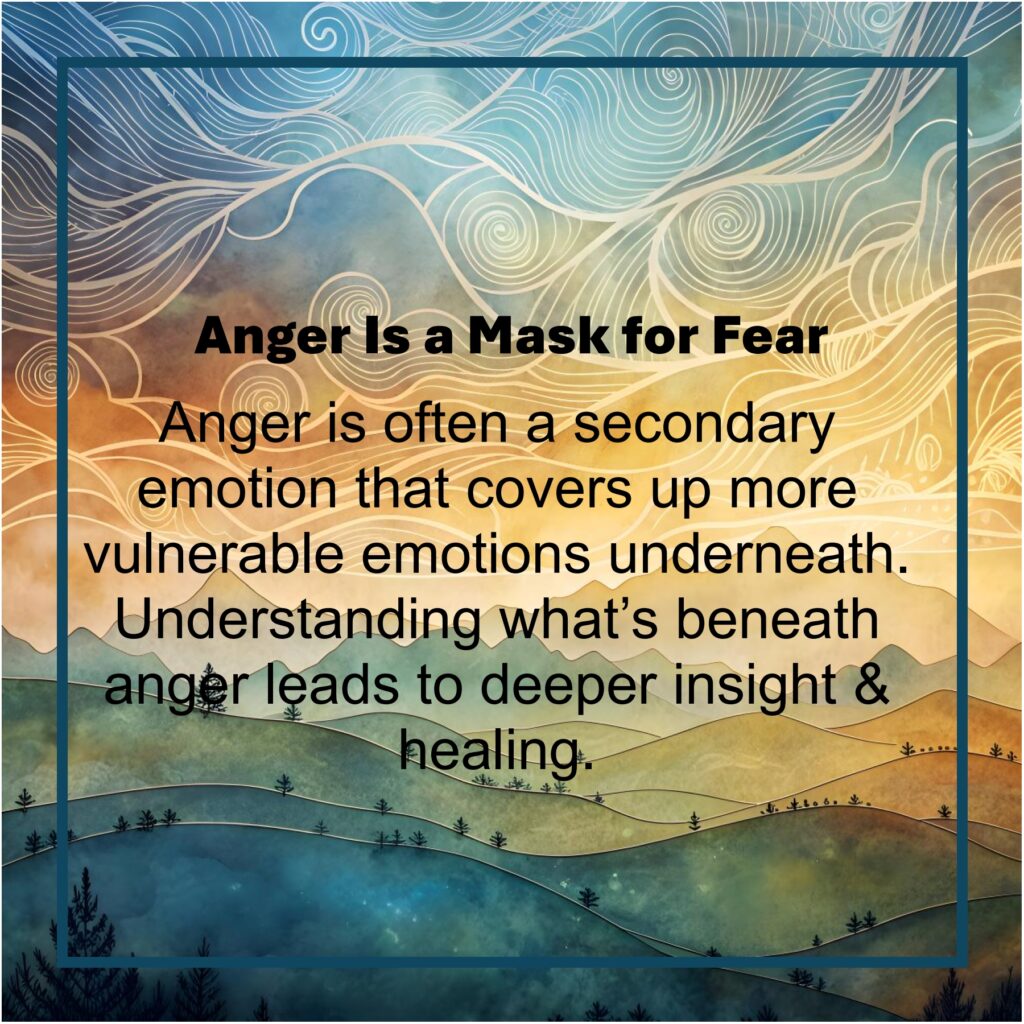
The Feeling of Being Overwhelmed: Emotions can feel like they "get in the way." We may become "flooded" and appear overly emotional, or conversely, shut down and appear distant when the internal feelings become too intense to manage.
Loss of Control: Because emotions can be intense, many people spend their lives running from them or burying them in work, distractions, or substances to avoid the discomfort of facing them.
Fear of Vulnerability: Avoiding feelings often feels "safer" in the short term. There is often a fear that if we cannot tolerate our own intense feelings, we will be unable to provide a safe space for the people we love to share theirs.
Lack of Tools: Many people are frightened because they were never taught the skills to relate to their feelings skillfully. Without these tools, emotions feel like a barrier to mental health and wise decision-making rather than a productive part of life.
Ultimately, while avoiding these feelings may seem easier, it often leads to feeling isolated and disconnected. Learning to "dance" with emotions is essential for a meaningful life defined by true connection that we call intimacy.


Browse the Carousel. Choose a Topic that Speaks to you. Click “READ MORE” on the flip side.
Review the skill & information. Download the document for further study & practice. Two to twelve topics per carousel.
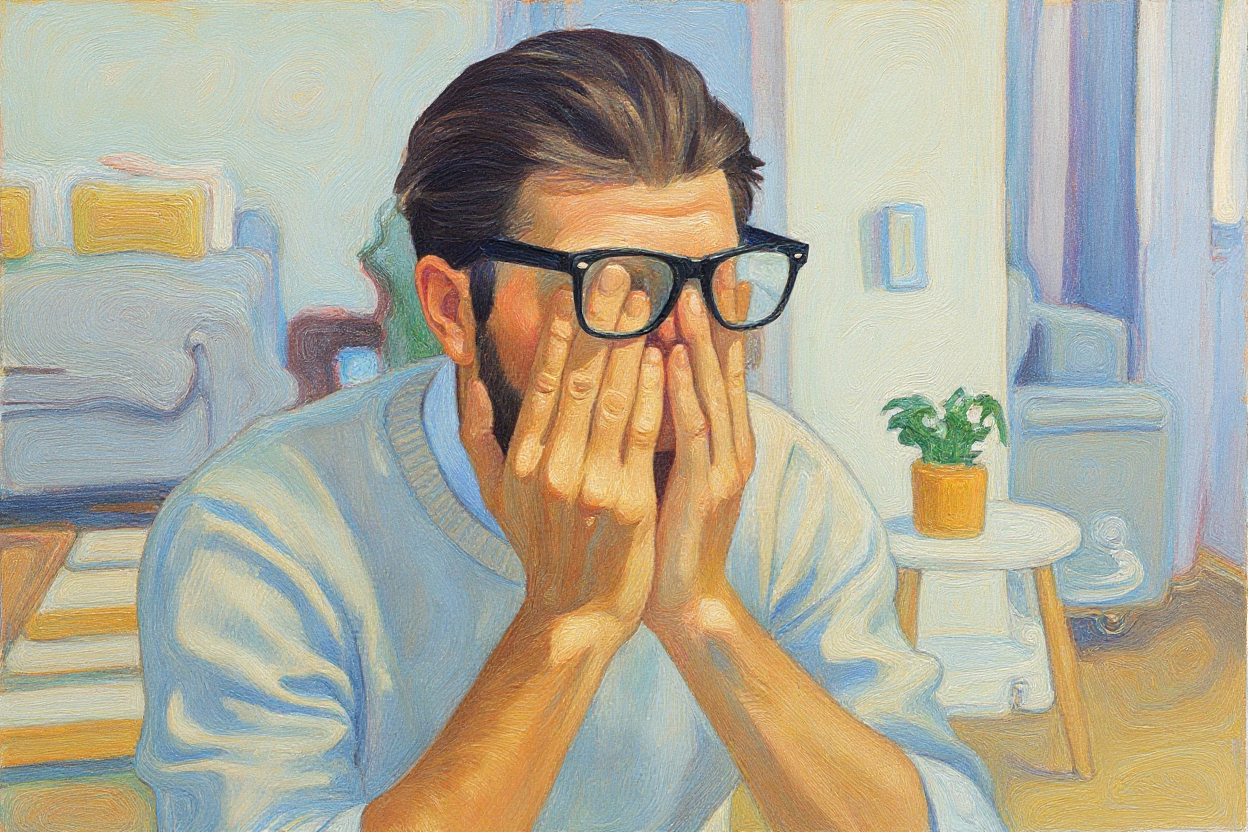
Of course you should, because you do. Whatever you feel it is ok. It is also ok to express your emotions openly and appropriately.
Please be a cry baby. Unexpressed emotions lead to all types of emotional and physical problems down the road.
Tone can be everything in communicating. A negative tone regarding a feeling can express disapproval vs a neutral tone which would sound more curious. Ideally you could validate that you can understand how the person feels the way they do. (NOTE: It isn't important that you agree with them, it is important that they are understood.)
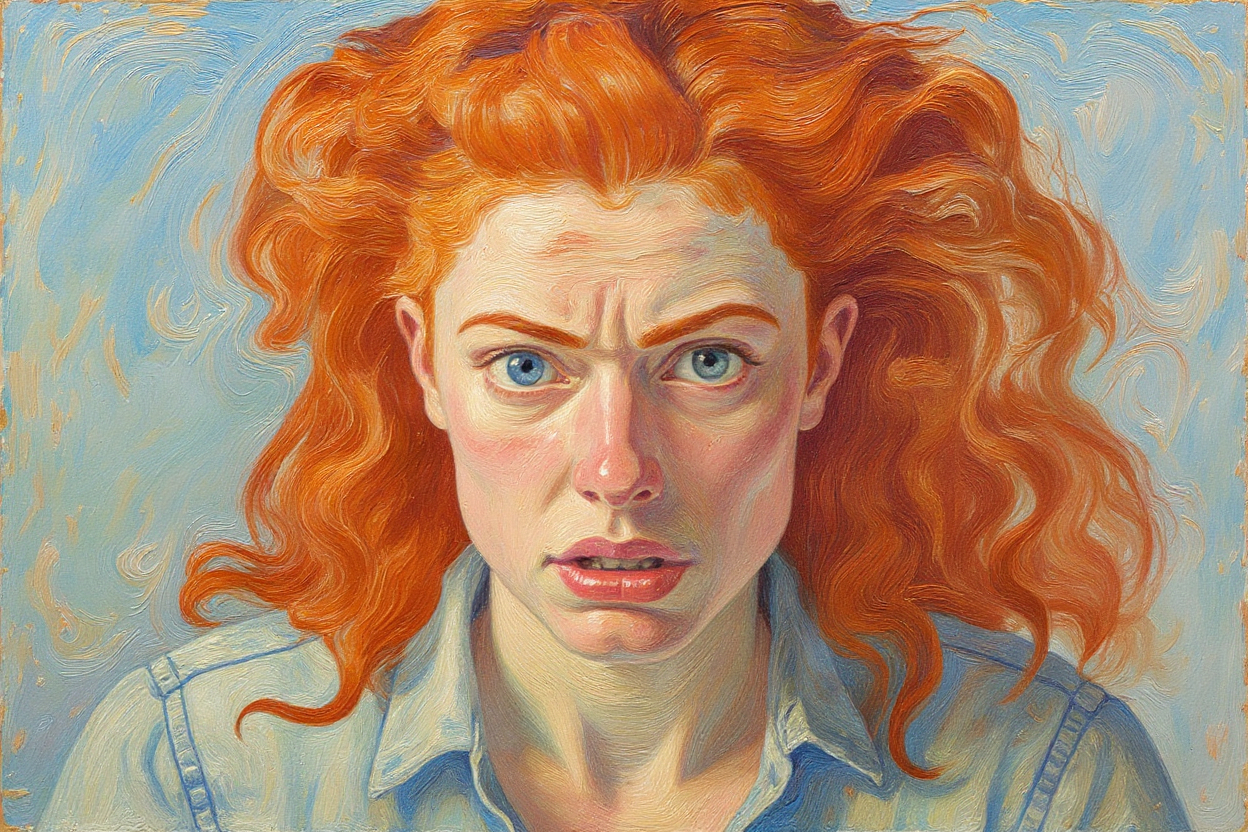
Perhaps but it is ok to express what you feel, and some of us feel bigger than others.
You feel what you feel, and for you it feels awful just as it is never mind worse. A better response might be OMG that is awful and I am glad that no one was hurt.
Easy to say when you are not living in my brain. This statement both invalidates the persons feelings but also their experiences. It says stop feeling, I don't want to see you hurting because then I hurt too, and I don't want to hurt, so stop it.
How dare you feel bad! Codependency to your feelings cause these types of reactions. Again they are being impacted by your mood versus being curious about why you are feeling like you do and holding space to share it.
Feeling and acknowledging symptoms is a relatively simple process as compared to sharing and accepting emotions.


An emotion in simple terms is a physical sensation that we have learned to label as an emotion. You may not even realize you have a physical sensation because over time you have learned to identify the emotion so quickly.
False. Emotions are ok, It is that sometimes people are not skilled at managing (regulating) and expressing emotions (behaviorally) very skillfully.
True. They are physical sensations that we have learned to label. Sometimes they can feel overwhelming,
True. Check out our page on foundational skills for regulating emotions.
Yes. Sharing emotions with someone is a way of making a bid for connecting to them. If they respond by turning to you the connection is made and the mutual sharing and validation of emotions leads to emotional intimacy.

Experience SPECIFICALLY designed skill courses for depth learning for your own growth or become a Wiz Master Coach this thoughtfully developed for creating a better you.
DETAILS HEREClick NowWIZPRACS are skill focused experiential groups where you can learn practice and refine your skills without having to deal with difficult emotional situations you might encounter at home or work.
DETAILS HEREClick NowMeet with a skill WIZ MASTER to perfect a skill or a number of skills in a particular area. Invest in your most important resource, yourself. Refinement of skills makes life interactions most effective.
DETAILS HEREClick NowBe a Wiz Master Giode join our training program that allows skills mastery in breadth-depth to help create a better world.
DETAILS HERE